The short answer
Compare the delivery with the agreed product list, document damage or differences and read each item’s manufacturer storage label promptly. Storage conditions are product-specific. If packaging, identification or transport conditions raise a concern, keep the item separate and ask for guidance before it is used or passed on.
Make an arrival record
Have the agreed list available when the parcel arrives. Note the delivery date and the carrier reference, then record any obvious damage to the shipping carton before discarding it. Photograph the parcel and the relevant labels clearly if something needs explanation. Preserve enough context to connect a close-up with the item it belongs to.
Count the items and compare their complete names and variants with the agreed list. A familiar brand is not enough to confirm that the intended variant was received. WHO’s consumer advice recommends checking that the received product is the one ordered and that the packaging is in good condition. Read WHO’s receipt advice.
A receiving checklist
- Match the product names and variants to the agreed list.
- Count the packs and note any quantity difference.
- Read the lot or batch and expiry markings without altering them.
- Check accessible packaging for damage and any unexpected change.
- Keep labels, documents and the original packaging connected to each product.
- Read the manufacturer’s storage instructions for each exact item.
- Send a clear report of any concern, with photos and the delivery reference.
Inspect what is accessible without breaking a protective product seal merely to take a photograph. If a detail cannot be checked without opening protected packaging, ask the supplier how to document the concern while preserving the item.
Let the individual label guide storage
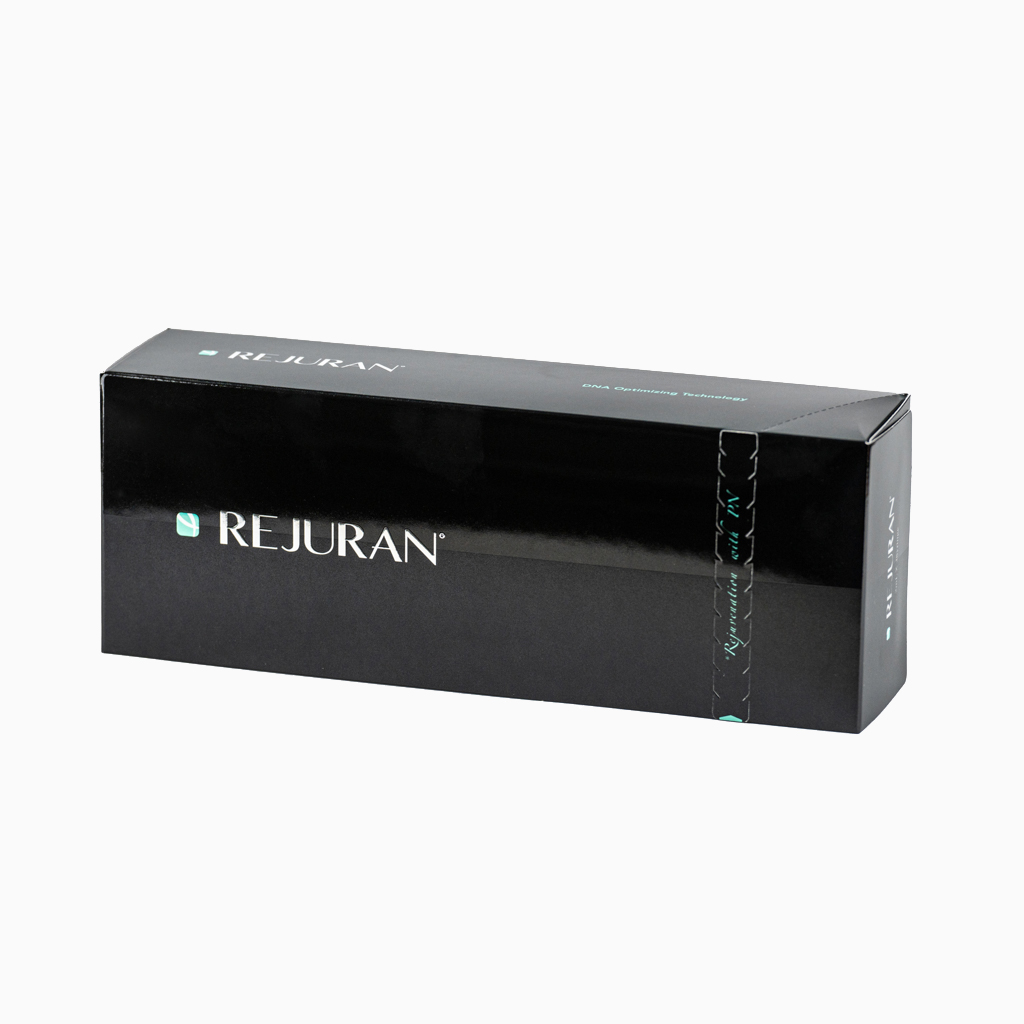
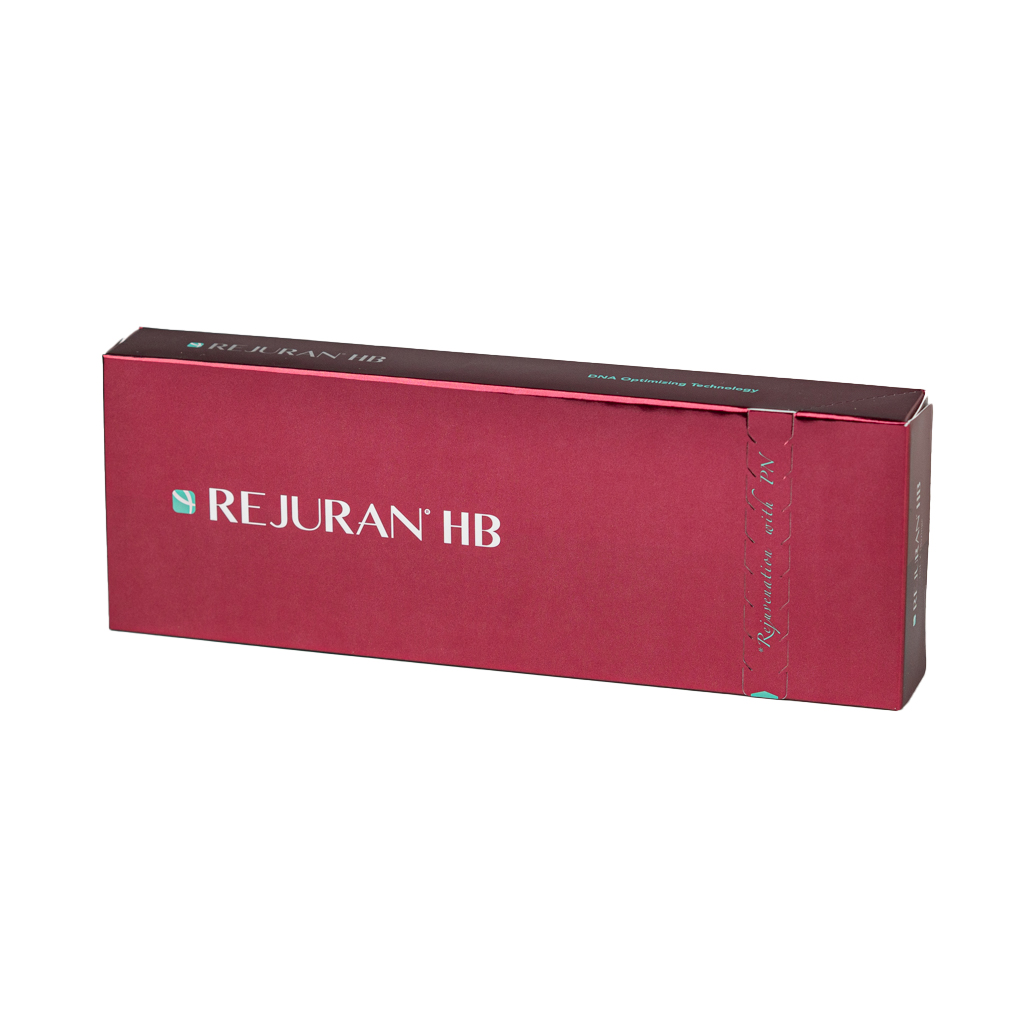
Products from one brand do not necessarily share storage conditions. For example, PharmaResearch’s public REJURAN page states room-temperature storage at 1–30°C with protection from light; its HB plus page states refrigerated storage at 2–8°C with protection from light. These examples illustrate why a brand-wide assumption is unreliable. Check the current label and instructions supplied for your exact item. REJURAN storage reference; HB plus storage reference.
Before delivery, clarify any storage requirement that you cannot meet at the receiving location. Do not create your own storage rule from an online photograph, or assume refrigeration is appropriate for every product. Keep the original manufacturer information available to whoever will be responsible for the goods.
If transport or storage is uncertain
A parcel’s appearance does not establish its complete temperature history. If the shipment arrangement included monitoring information, retain it and ask the supplier to explain any alert. Record what is known: delivery time, the item affected, the stated storage requirement and the observation that raised the question.
Avoid declaring an item acceptable simply because you have put it into the intended storage location after arrival. The manufacturer or supplier needs to assess the particular concern. WHO describes substandard products as products that fail quality standards or specifications; an item can therefore need investigation even when there is no suspicion of a deliberately falsified label. Read WHO’s quality definitions.
Keep the record until the question is resolved
Contact [email protected] with the product name, lot or batch details, delivery reference and a short description of the issue. State exactly what you need confirmed, such as the variant, pack count or how a reported transport concern should be assessed.
Keep questionable goods separate while awaiting guidance, following the applicable manufacturer storage instructions. Preserve the packaging and written correspondence. Avoid sending goods back or discarding them before the supplier explains the next step, unless an appropriate authority directs otherwise.
A receiving record supports a clear product enquiry. It is not a substitute for manufacturer instructions or a medical assessment, and this guide does not describe how to administer or use professional products. Our label-reading guide can help you prepare the identification details needed for a useful reply.
Sources & editorial notes
Public references checked on 1 October 2026. These links support the specific facts cited in the article. Check current manufacturer instructions and destination requirements for the exact product.
- WHO · Advice on substandard and falsified medical products
- WHO · Substandard and falsified medical products
- PharmaResearch · REJURAN product information
- PharmaResearch · Rejuran HB plus product information
Original consumer guidance from The Fora. Related catalog entries are browsing references; confirm product-specific details with the manufacturer or supplier.