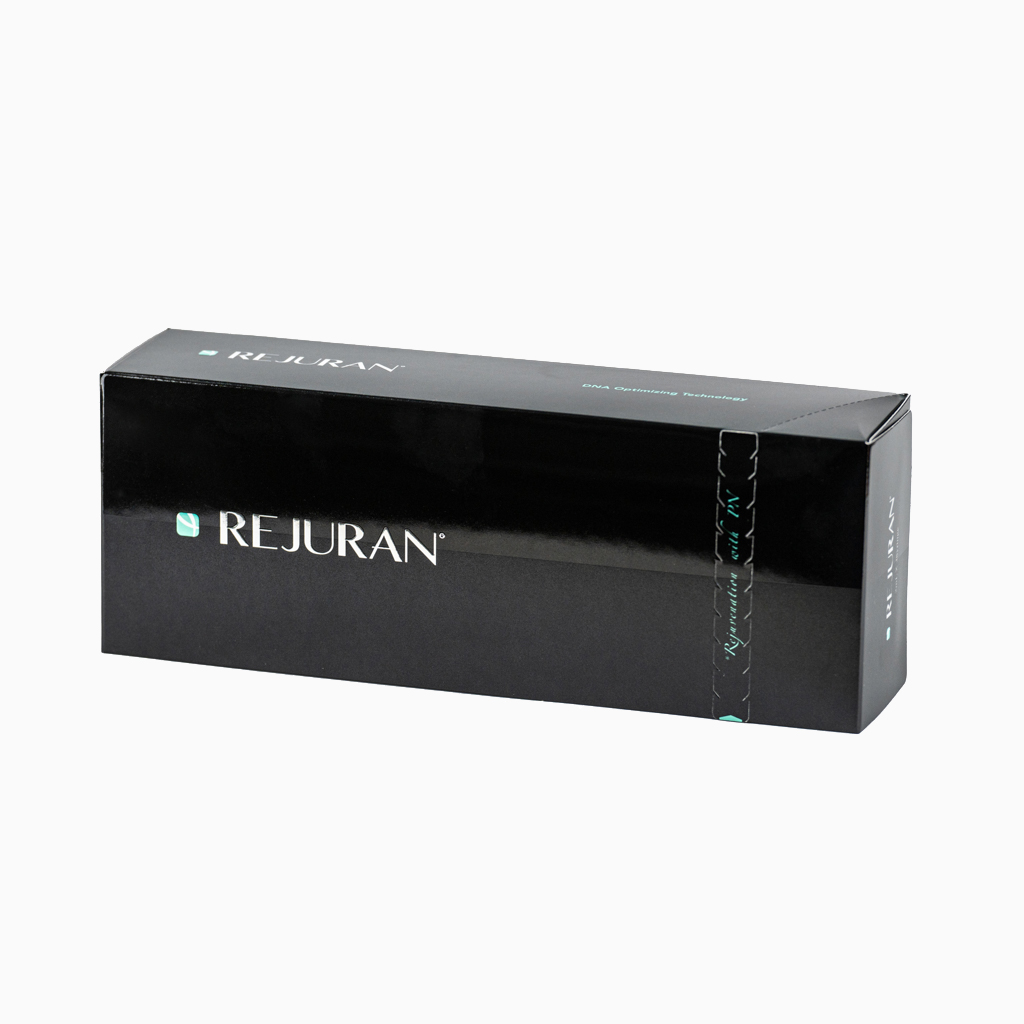
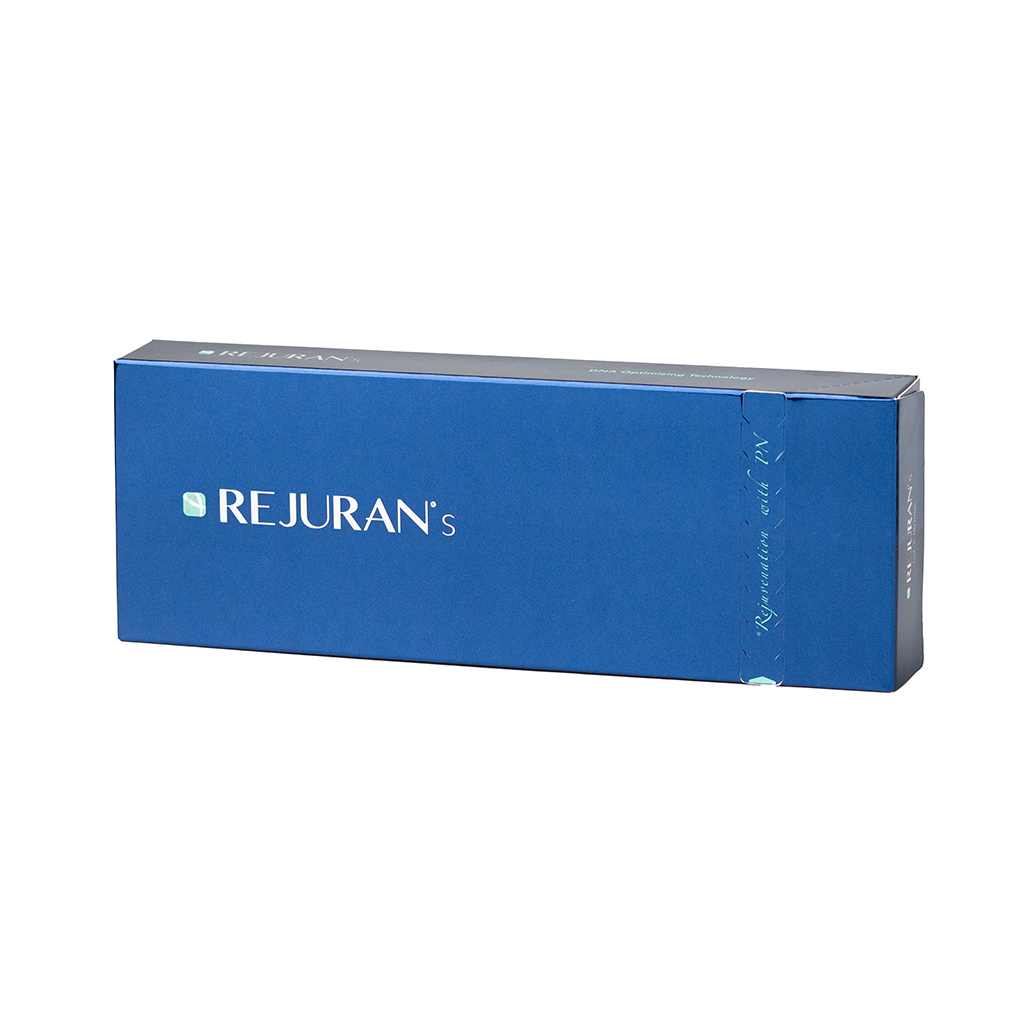
The short answer
Check packaging systematically, but do not treat a neat box, a barcode or a familiar colour as proof of authenticity. Record the exact product, label details and any difference you notice. Keep the packaging and ask the supplier or manufacturer to investigate before you use or pass on a questionable item.
Appearance is a starting point
WHO advises consumers to examine packaging condition and compare date and batch information. It also notes that some falsified medical products can look almost identical to genuine ones. A visual check is therefore useful for raising a question, but cannot provide a definitive authenticity result. Read WHO’s consumer advice.
Give equal attention to ordinary details. Does the complete product name match what was discussed? Is the pack count what you expected? Can you read the manufacturer’s information? A clear description of one specific difference is more useful than a broad statement that the box “looks wrong.”
Build a clear record of the difference
- Take an overall photo of the item and its outer packaging.
- Record the complete product name, variant and manufacturer shown.
- Photograph the lot or batch code, date markings and the area of concern.
- Keep the order or enquiry reference and the product link together.
- Describe when you noticed the difference and whether the parcel arrived damaged.
- Retain the original packaging and any enclosed documents while the question is investigated.
These notes are an editorial checklist for organising your enquiry. WHO’s reporting portal similarly asks for identifiable product details, photographs and the circumstances in which a concern was discovered. See the information used in product reports.
Compare like with like
Use a reference that identifies the same product and variant. A photo of a related product, an older listing or an unspecified market version is a weak basis for deciding what should be present. Ask which manufacturer document or current pack image applies to the actual item.
If the printed design differs from your reference, do not invent an explanation for it. Ask whether there has been a documented packaging update and request the source. Equally, a difference does not by itself establish deliberate falsification. Keep your description neutral and concrete so the supplier can investigate the right issue.
Describe what you can see
“The label in the supplied photo uses a different suffix from the product in our enquiry. Please confirm the exact variant and provide the manufacturer information for this pack.”
Treat codes as information to check
A barcode or QR code may help you find information, but the presence of a code is not a complete authentication process. If the manufacturer publishes a verification method for the exact product, follow its current official instructions. Reach those instructions through a confirmed manufacturer website, and check the website address before sharing information.
Do not assume that every product in a brand’s range uses the same verification method. If a code does not work, record the message and ask for clarification. Avoid repeatedly scratching, removing or altering labels to investigate: preserving the original state makes the concern easier to review.
Send the concern to the right place
For an item supplied through The Fora, email [email protected] with the product name, reference and photos. Describe the issue in the email rather than relying on attachments alone. Share relevant product information; leave unrelated personal or payment information out of images.
If you suspect a medical product is falsified, WHO advises reporting the suspicion to the national medicines regulatory authority and discussing it with a qualified healthcare professional. A supplier response and a regulatory report serve different purposes. Do not use a questionable product while the concern is unresolved. WHO’s reporting advice.
Keep the written reply with the photos. If the reply does not address the actual discrepancy, ask a narrower follow-up question and include the same reference, rather than starting an unrelated thread with no history.
Sources & editorial notes
Public references checked on 1 October 2026. These links support the specific facts cited in the article. Check current manufacturer instructions and destination requirements for the exact product.
Original consumer guidance from The Fora. Related catalog entries are browsing references; confirm product-specific details with the manufacturer or supplier.