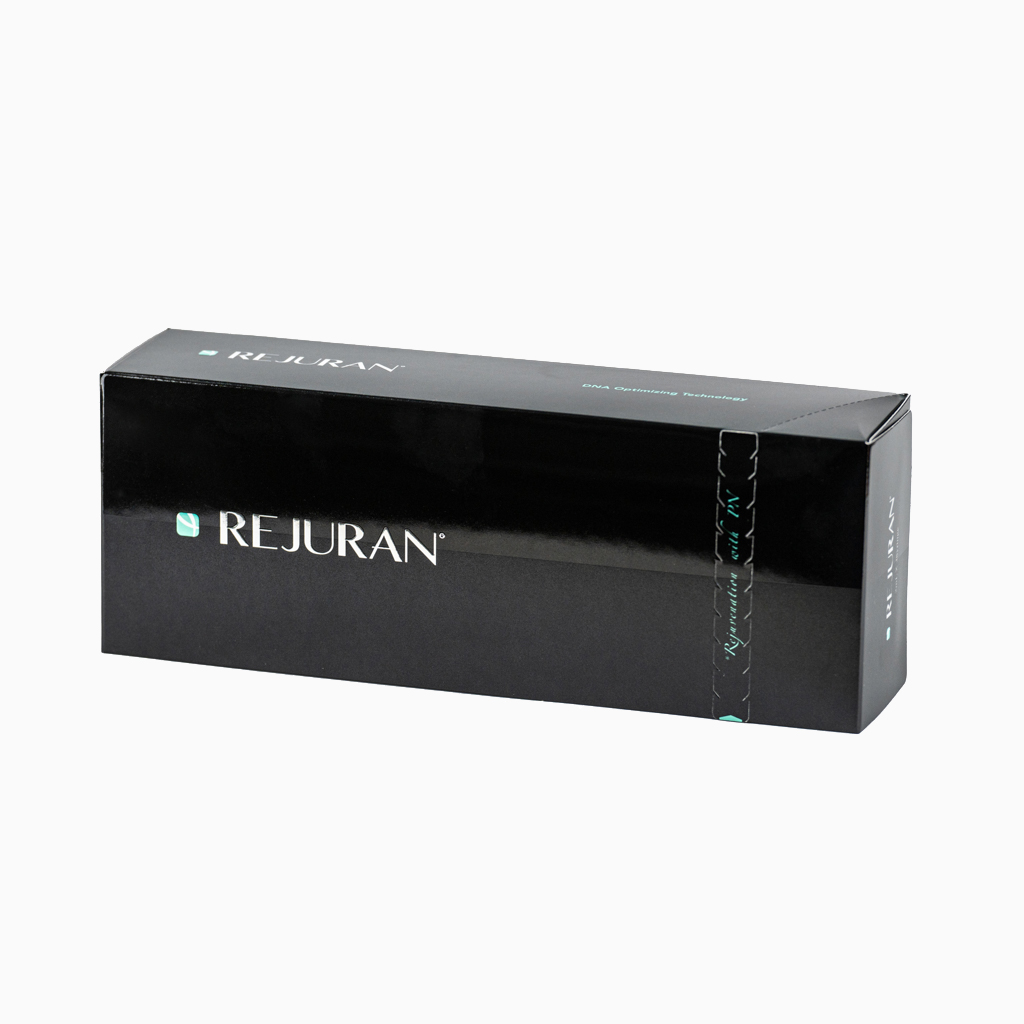
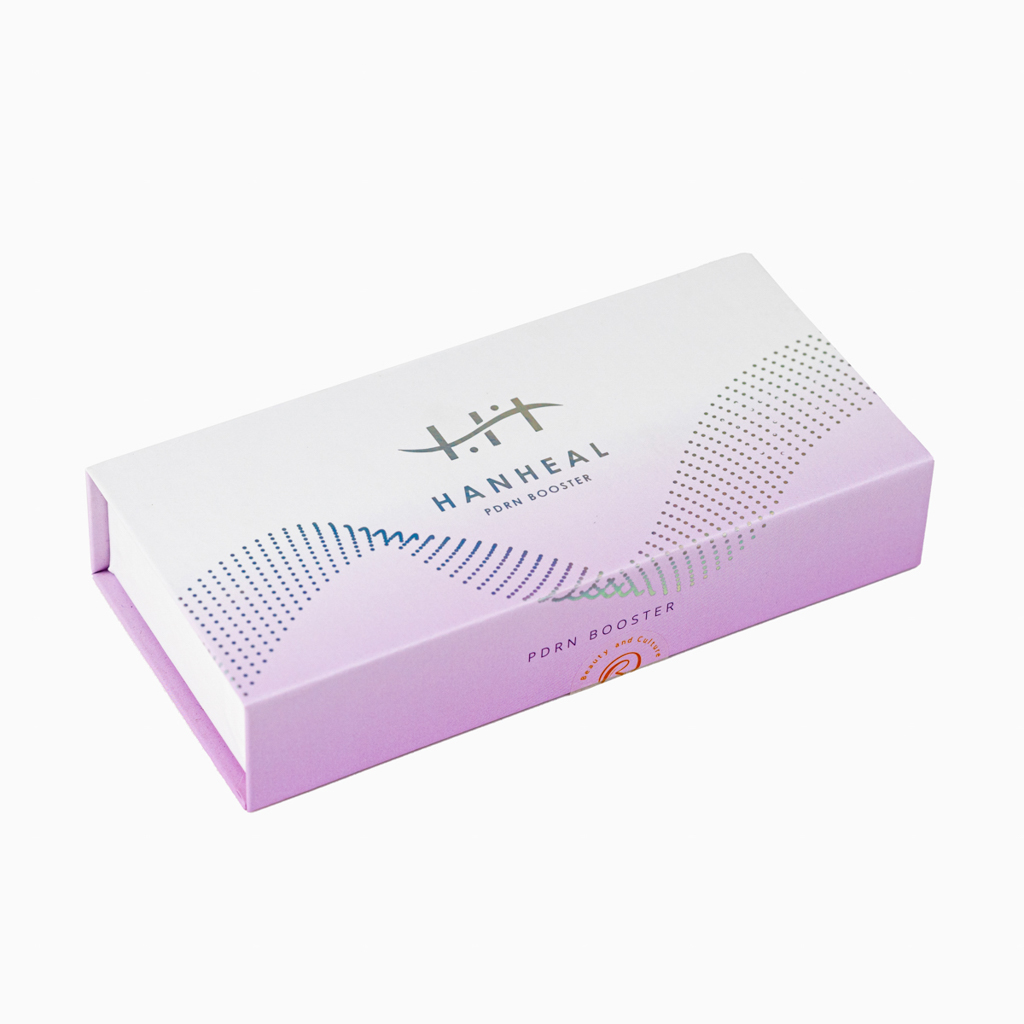
The short answer
PN stands for polynucleotide; PDRN stands for polydeoxyribonucleotide. These ingredient terms are useful starting points for research, but neither abbreviation identifies a complete product. Compare the full name, manufacturer, formulation and product category before treating two listings as equivalent.
What the two abbreviations mean
Long ingredient names often become short shopping terms. PN is the abbreviation used for polynucleotide, a term for a chain of nucleotide units. PDRN expands to polydeoxyribonucleotide and refers to DNA-derived material. PharmaResearch uses the PN spelling on its REJURAN product page and spells out PDRN on its research page. These are high-level definitions, rather than a specification for every product carrying those letters. See the manufacturer’s PN entry and its PDRN terminology.
For a shopper, the useful next question is simple: which exact item is this? Write down the complete product name before comparing it with another listing. Two products can share an ingredient term while having different labels, formats, ingredients and requirements. A keyword in a search result is not enough to establish that they are interchangeable.
A useful comparison starts with these details
| Detail | What it helps you establish |
|---|---|
| Full product name | The specific variant, including any letters, numbers or suffixes. |
| Manufacturer | Whose product documents to consult. |
| Composition | The ingredients actually stated for that item. |
| Product category | Whether the documentation describes a cosmetic, medical device or medicine. |
| Pack contents | The amount per container and the number of containers. |
| Market and label version | Which language, country and specification the information covers. |
Leave an unknown field marked “please confirm” in your own comparison. It is more useful than filling the gap from a similar-looking product. The manufacturer’s medical device listing, for example, separates several named REJURAN variants. View the manufacturer’s range.
Read beyond a familiar keyword
A product title is an introduction. Its label and supporting documents contain the details needed to understand what is being offered. Check whether an ingredient is named in the composition itself or only appears in a retailer’s headline. If a percentage is mentioned, ask what substance and measurement it describes rather than assuming it is directly comparable with every other percentage.
Likewise, words such as “booster,” “ampoule” or “professional” do not, by themselves, establish a product’s category or suitability. A product photograph may help identify a name to research; it cannot substitute for the exact product documents. Avoid using an abbreviation to infer a promised result, a manufacturing source or permission to sell in a particular country.
Turn an unclear listing into a clear enquiry
A short, specific question is easier to resolve than “Which one is better?” Include the catalog link and ask the team to confirm the full variant, the manufacturer’s composition statement and the pack contents. If two names seem similar, include both links and explain which detail is causing uncertainty.
An example enquiry
“I am comparing these two catalog items. Please confirm the exact product names, manufacturers, product categories and current pack contents, and share the relevant manufacturer information for each.”
The related product links below are a starting point for browsing the reference catalog. Their inclusion does not verify every detail in a listing or recommend one product over another. Keep your enquiry focused on identification first; questions about medical suitability belong with an appropriately qualified professional.
Keep a small comparison record
Save the product links, the date you checked them and the answers you receive together. If a listing later changes, that record helps you explain which version you were asking about. For a repeat enquiry, reuse the complete name and pack description instead of relying on the ingredient abbreviation alone.
Once you have identified the item, move on to the package: how much is in each unit, how many units are supplied and which manufacturer label will accompany it. Our guide to reading labels explains how to keep those details separate from lot codes and expiry dates.
Sources & editorial notes
Public references checked on 1 October 2026. These links support the specific facts cited in the article. Check current manufacturer instructions and destination requirements for the exact product.
- PharmaResearch · REJURAN product information
- PharmaResearch · R&D and PDRN terminology
- PharmaResearch · Medical device product range
Original consumer guidance from The Fora. Related catalog entries are browsing references; confirm product-specific details with the manufacturer or supplier.